One of the major issues that people coming after a vegan or plant-based lifestyle raise is how to get enough protein without increasing caloric intake. Plant-based eating is a good thing in many ways, but it is a bit tricky as it demands careful planning, especially if you are into fat loss, muscle building, or fitness in general.
Generally, plant-based protein sources like nuts, seeds, and whole grains are considerably lower in protein than animal proteins when measured per unit of calories. This means that it is rather hard to meet the protein requirement for the body from plant sources without consuming large quantities, more so if they are compared to animal proteins.
For example, a normal-sized chicken breast contains approximately 30 grams of protein and around 150 calories, while 150 calories derived from almonds will yield only about 5 grams of protein. Surely, almonds are a healthy and good food besides being rich in fat, but when it comes to controlling calories, they cannot be considered a good protein source.
Therefore, plant-based eaters have to come up with more creative ways of meal planning than meat eaters if they want to support strength training, muscle recovery, and weight management.

Why Protein Matters in a Plant-Based Diet
Protein is vital for muscle repair, hormone production, immunity, and overall body composition. A limited protein intake could lead you to feel tired, lose muscle, take longer to recover from workouts, and find it hard to reach fitness goals.
Such a situation is particularly significant for those who are active and working with a personal trainer near me or following a structured workout plan. Lack of protein will scarcely result in the efficacy of a training program.
Smart Plant-Based Protein Choices
The main factor of success on a plant-based diet is selecting foods that provide the most protein content with the least calorie cost.
Prioritise High-Protein, Low-Calorie Foods
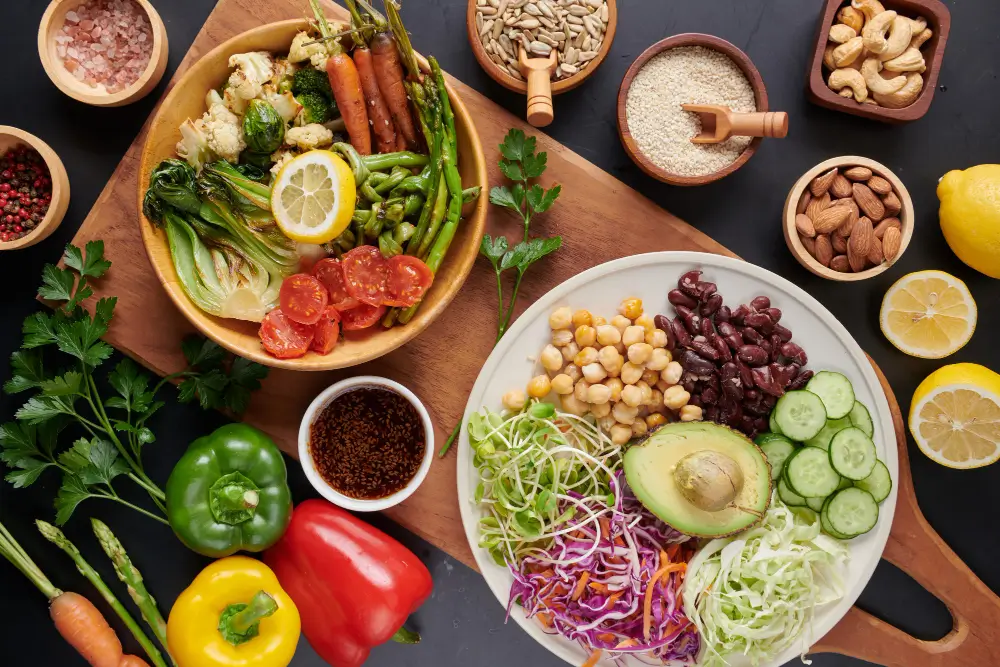
Tofu, tempeh, and legumes such as soybeans, black beans, and kidney beans are probably the most powerful plant-based protein sources one can get. They offer a great protein injection without calorie overload, thus they are perfect for fat loss and muscle preservation simultaneously.
Regular consumption of these foods will definitely help to cover the protein gap that is a common problem in plant-based diets.
Use Protein Powders Strategically
Protein powders can do wonders for you if you are a busy person or a heavy exerciser, i.e., multiple training sessions per week. In case your diet includes dairy, whey protein would be a nice choice as it is rich and easily digestible.
For a non-dairy diet, plant-based protein powders are there for you to choose from. Consider that a blended protein powder contains multiple sources, like pea, rice, and hemp protein. These blends usually have better amino acid profiles and taste than single-source powders. Also, ensure that you are purchasing a product that has good reviews, as there is a big difference in quality between brands.
Many clients who are training with a Personal Trainer Ashford find protein shakes the most convenient way to achieve daily protein intake without giving too much thought to meals.
Rethink Nuts, Seeds, and Grains
Nuts, seeds, and grains are very good for your health; still, they should not be the main sources of protein in your diet. The main nutritional contribution of those foods comes from fats (nuts and seeds) and carbohydrates (grains).
You should consider these foods as ingredients that help the meal to be complete rather than protein staples. There is nothing wrong with the addition of a few nuts or seeds into the meals, but if you make them the base of your protein intake, then you are going to have a very high-calorie intake without realizing it.
This statement is usually confirmed by fitness professionals who include those working as a Personal Trainer Bagshot in their method of weight management through plant-based diets when they are dealing with clients.
Meal Planning for Plant-Based Success
Good meal planning is a must for anyone on a vegan or plant-based diet. Without a plan, one can easily lack protein or consume too many calories.
Track Your Intake
Apps like MyFitnessPal enable you to record your meals and keep track of both your protein and calorie intake. This gives you the opportunity to spot the gaps in your diet and make changes even before they turn into habits.
Tracking is particularly helpful when you are just starting a plant-based diet, as you may not yet be familiar with portion sizes and the protein content of different foods.
Build Meals Around Protein
Never consider beginning your meals with grains or vegetables; instead, pick your protein source first. Following protein, supplement your meal with vegetables, carbohydrates, and fats if necessary.
With this method, protein is the basis of your meal and not a side dish, which is a strategy that a Personal Trainer Byfleet would often recommend to clients looking for long-term results.
Shopping Smarter for Plant-Based Foods
Today, almost all big supermarkets have made it very convenient to buy plant-based products. By simply using the search terms “vegan” or “plant-based” in the online grocery stores, one can very quickly get a list of suitable products.
Such a method is an excellent time-saving tool and also gives you the opportunity to discover protein-rich plant-based products that you might not have considered. Nevertheless, it is still important to look at nutrition labels as there are some vegan products that are highly processed, calorie-dense, and contain very little protein.
Training and Nutrition Go Hand in Hand
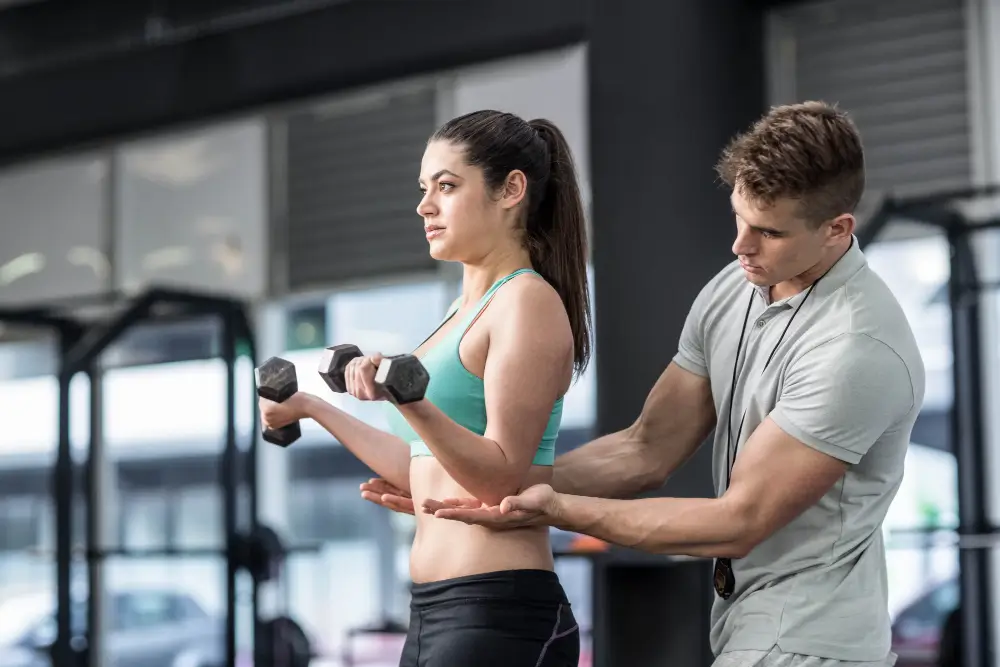
Eating a plant-based diet can be a great way to build muscle, lose fat, and improve your general fitness, but it has to be done with the right protein intake. Nutrition and exercise have to go hand in hand to bring about the desired results.
This is the main reason that advice from experts, such as My Home Personal Trainer Surrey, is very helpful. A tailored workout routine, along with reasonable dietary measures, can help individuals following a plant-based diet to maintain, have good energy, and move forward with their goals.
Whether your objective is to slim down, gain muscle tone, or improve your health, eating sufficient protein will still be a prerequisite for achieving success.
Conclusion
Without a doubt, one can switch to a vegan or plant-based diet and still keep up their protein intake. Anyone’s fitness goals will not be compromised in the least bit. The truth is that one can enjoy a high-protein diet and still be in calorie control if one chooses the right foods, uses supplements prudently, and prepares meals in the correct way.Make your protein intake as productive as possible by consuming the best protein sources. Remember that nuts and grains complement each other, keep a record of your intake, and prepare your meals with a purpose. The use of professional coaching from My Home Personal Trainer Surrey, along with a plant-based diet, can be your safe way of achieving optimum health and performance over time.